
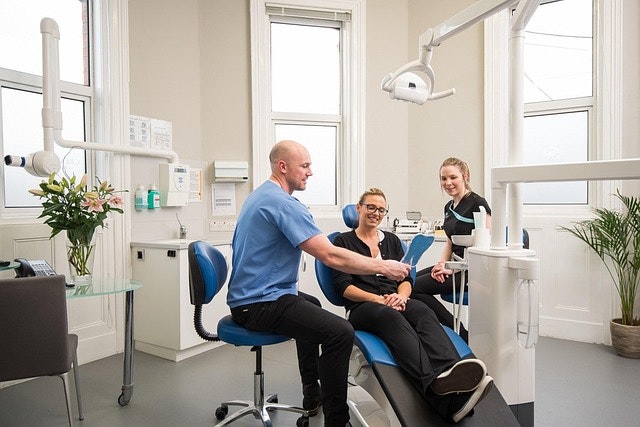
Many employees rely on their dental coverage, yet misunderstandings about how group dental insurance works can lead to missed care and unnecessary costs. As part of June’s Oral Health Month, this guide breaks down common misconceptions and explains how to make the most of dental benefits. Understanding how coverage functions helps employees schedule preventive visits, reduce out-of-pocket expenses, and actively support their long-term oral health.
For employers in Florida—including Palm Beach, Orlando, Jacksonville, Tampa, Boynton Beach, Pembroke Pines, Port St. Lucie, Clearwater, and Naples—providing clear benefits information strengthens overall employee benefits management and enhances the value of group insurance for employees. Lewis & Palmer Benefits supports organizations nationwide with group health insurance, group dental insurance, voluntary benefits, benefits administration, and ACA compliance guidance to help teams use their plans effectively.
Why Understanding Dental Insurance Matters
Confusion around dental coverage often results in employees postponing routine visits or treatment because they assume services are not included. In reality, most employer health insurance plans and group dental insurance options are structured to encourage preventive care. Regular exams and cleanings help catch concerns early, reducing the need for more extensive and costly procedures later.
Knowing how a dental plan works—annual maximums, cost-sharing tiers, and in-network rules—helps employees avoid surprises and better manage their pre-tax benefits. Clear communication about group insurance for employees also supports smoother benefits enrollment and stronger workplace wellness overall.
Myth #1: “Dental Cleanings Aren’t Covered”
A common misconception is that dental cleanings fall outside insurance coverage. Most group dental insurance plans actually prioritize preventive services. Cleanings, exams, and certain diagnostic procedures are typically covered at high percentages because they play a major role in preventing more serious oral health issues.
Skipping preventive visits can lead to larger, more expensive problems down the line. Encouraging routine cleanings and exams helps employees maintain oral health while maximizing the value of employer-sponsored benefits, whether part of a broader employee benefits package or voluntary employee benefits.
Myth #2: “Waiting to Treat Dental Issues Saves Money”
Delaying dental care often leads to higher expenses. Small issues like early-stage cavities can usually be treated with simple fillings. If left unaddressed, they may require crowns, root canals, or other advanced procedures—many of which fall under higher cost-sharing tiers in group dental insurance plans.
Treating concerns early helps employees stay within annual benefit limits and prevents unexpected out-of-pocket costs. This approach aligns with overall employee wellness benefits and supports proactive care across employer health insurance plans.
Myth #3: “All Dentists Are In-Network”
Not every dentist participates in every insurance network. Provider networks vary based on the employer’s selected plan and carrier. Seeing an out-of-network dentist without verifying participation may result in higher personal costs or reduced reimbursement.
Employees should always check network status before scheduling care. This simple step helps them leverage group dental insurance more effectively and minimize financial surprises.
Myth #4: “Dental Insurance Works Just Like Medical Insurance”
Dental and medical insurance operate differently. While medical plans often cover a wide spectrum of services, dental plans generally focus on preventive care with predictable cost-sharing. Many dental plans include annual maximums—once the limit is reached, remaining costs fall to the patient until the next plan year.
Coverage tiers typically include high-coverage preventive care, moderate coverage for basic services, and higher coinsurance for major procedures. Understanding these distinctions helps employees better plan their care and manage their benefits, especially when coordinating with group health insurance, group vision insurance, or other employee insurance packages.
Myth #5: “If Nothing Hurts, There’s No Need for a Dental Visit”
Pain is not always an early symptom of dental issues. Many problems develop without discomfort until they become serious. Routine preventive visits allow dental providers to catch issues early, leading to simpler treatment and better outcomes.
Consistent checkups also give dentists the opportunity to monitor changes over time—reducing the likelihood of urgent or complex procedures and supporting overall employee health and wellness.
Myth #6: “Indemnity Plans Pay Whatever the Dentist Charges”
Indemnity or fee-for-service plans do not typically cover the full billed amount. Instead, they reimburse based on predetermined fee standards. When dentists charge above those benchmarks, employees may be responsible for the difference.
Understanding how reimbursement works helps employees anticipate potential costs and avoid surprises when using their benefits.
Make the Most of Your Dental Benefits
Preventive dental care remains one of the most effective ways to protect oral health and manage long-term expenses. Regular exams, cleanings, and early treatment help employees avoid complex procedures and get the maximum value from their employer health insurance plans.
Employers can support their teams by ensuring benefits compliance, offering voluntary benefits, and providing clear guidance during benefits enrollment. Tools such as a benefits administration platform or HRIS benefits integration can streamline communication and improve employee benefits management.
Lewis & Palmer Benefits provides comprehensive support—from Florida ACA compliance and Section 125 plan administration to COBRA administration and employee benefits consulting. Whether your organization is located in Miami, Coral Springs, Fort Lauderdale, or anywhere across Florida and the U.S., our team can help you clarify coverage, strengthen your employee benefits package, and support better health outcomes for your workforce.